If Healthcare Apps Were Designed Like Netflix, What Would Change?
Imagine if healthcare apps were as intuitive and binge-worthy as Netflix. This piece breaks down how frictionless design could transform patient engagement, outcomes, and retention.
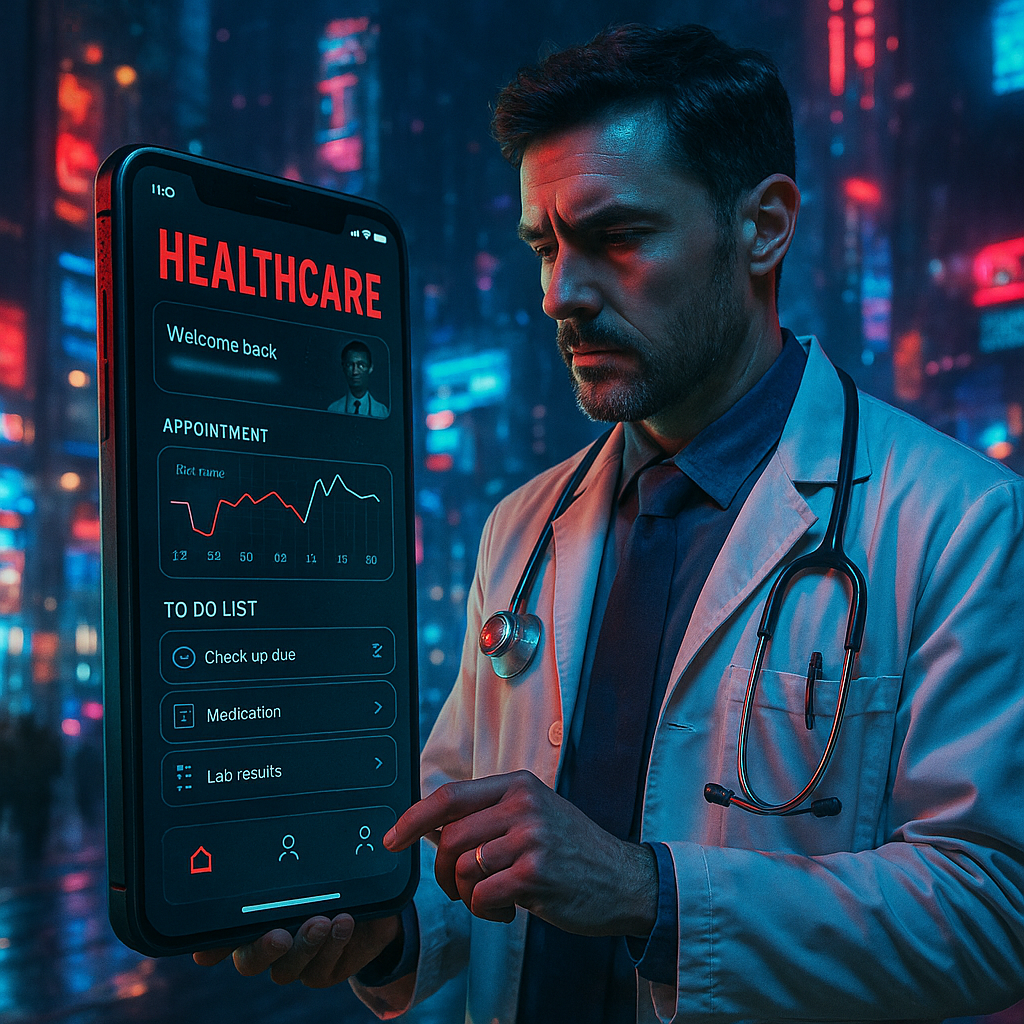
If Healthcare Apps Were Designed Like Netflix, What Would Change?
By Alessandro Fard — UX Consultant, Product Strategist
Healthcare apps are notorious for feeling like work.
Endless forms. Cluttered navigation. Cold, transactional experiences that make people feel more like patients than humans.
Meanwhile, Netflix built a global empire on ease, personalization, and frictionless flow.
So… what if healthcare went full “Netflix UX”?
Let’s explore what would actually change… and why this is the direction smart MedTech teams are already racing toward.
1. Healthcare Would Become ‘Frictionless by Default’
Netflix’s entire design philosophy is built around reducing cognitive overhead.
In healthcare, that same mindset would eliminate:
- Endless dropdown menus
- Ten-screen onboarding flows
- Pages of redundant medical history
- Confusing appointment flows
- Dead ends in navigation
Instead, the app would guide you.
Not the other way around.
Think:
- One-tap appointment booking
- “You were working on this — want to finish?”
- Auto-filled forms
- Smart sequencing that learns your patterns
Healthcare UX is often slow because every action requires effort.
Netflix UX is fast because every action has momentum.
2. Navigation Would Feel Like a Story, Not a Spreadsheet
Netflix hides complexity under simple, intuitive categories.
Healthcare, on the other hand, tends to expose all its complexity at once.
A Netflix-inspired healthcare app wouldn’t list everything alphabetically.
It would organize around real-world intentions:
- “I want to get better.”
- “I need a refill.”
- “I’m confused … help me understand.”
- “Show me what I should do next.”
This is visual storytelling. It's not medical taxonomy.
Instead of making users dig for information, the product becomes the narrator guiding them through the journey.
3. Hyper-Personalization Would Replace One-Size-Fits-All
Netflix never serves you the same homepage as anyone else.
Healthcare apps almost always do.
Imagine a healthcare app that adapts instantly:
- Personalized dashboards
- Recommendations based on conditions or goals
- Timely nudges when symptoms or behaviors change
- Data-driven pathways for chronic care, mental health, post-op recovery
Your healthcare experience becomes “just for you,” not “for everyone like you.”
This is the difference between retention and abandonment.
4. Data Would Be Invisible, Yet Incredibly Useful
Netflix doesn’t overwhelm you with data. It uses data to simplify decisions.
Healthcare apps often do the reverse:
They dump charts, tables, BP readings, lab results, and leave people overwhelmed.
A Netflix-style approach would translate data into:
- Plain English summaries
- “Here’s what matters this week” highlights
- Simple color-coded progress indicators
- Action steps
It removes the fear and uncertainty that often comes with health data.
5. Content Becomes the Product’s Superpower
Netflix wins because it’s content-driven.
Healthcare apps? They rarely leverage education as a core value-driver.
Imagine:
- Micro-videos explaining conditions
- Bite-sized tutorials on safe movement, diet, meds
- Symptoms “Know Before You Panic” libraries
- Recovery timelines that show what’s normal vs. concerning
When patients understand their health, they engage.
When they engage, outcomes improve.
When outcomes improve, costs go down.
That’s the triple win of a content-first UX.
6. The Experience Would Never Feel ‘Cold’ Again
Netflix feels warm, human, familiar.
Healthcare apps often feel sterile and institutional… even when they’re beautifully designed.
A Netflix-inspired healthcare app would integrate:
- Friendly microcopy
- Empathetic tone
- Gentle onboarding
- Mood-sensitive flows
- Encouraging feedback loops
Because healing shouldn’t feel emotionally exhausting.
7. Patients Would Actually Stick Around
Netflix’s retention isn’t magic.
It’s the ruthless removal of friction — and the equally ruthless pursuit of delight.
Healthcare products that adopt these principles see:
- Higher engagement
- Better adherence
- More accurate data
- Fewer support tickets
- Better outcomes
When people enjoy the experience, they don’t disappear after week two.
So… Why Isn’t Healthcare Already Doing This?
A few reasons:
- Legacy systems
- Compliance fear
- Slow decision cycles
- Stakeholders designing by committee
- Misunderstanding of what users actually need
- Over-indexing on features, under-indexing on experience
But the future belongs to companies willing to break that mold.
This Is Where Strategic UX Comes In
Healthcare products aren’t failing because the teams aren’t smart. They’re failing because they’re building inside the wrong design model — one that prioritizes complexity, checkboxes, and legacy workflows instead of clarity and momentum. The Netflix approach isn’t about entertainment; it’s about simplicity, guided flow, smart defaults, emotional intelligence, and personalization at scale — the core ingredients of a product people actually want to use.
This is the shift modern MedTech teams need. Strategic UX brings that clarity to chaos, transforming overwhelming experiences into intuitive ones, and replacing cognitive load with confidence. When you design from a consumer-first perspective, engagement rises, outcomes improve, and retention stops being a mystery.
If you’re building or rebuilding a healthcare product and you want to apply this style of user experience — without the bureaucracy and endless red tape — let’s talk.
Your patients deserve a better experience, and your product deserves to retain them.
Recent in blog
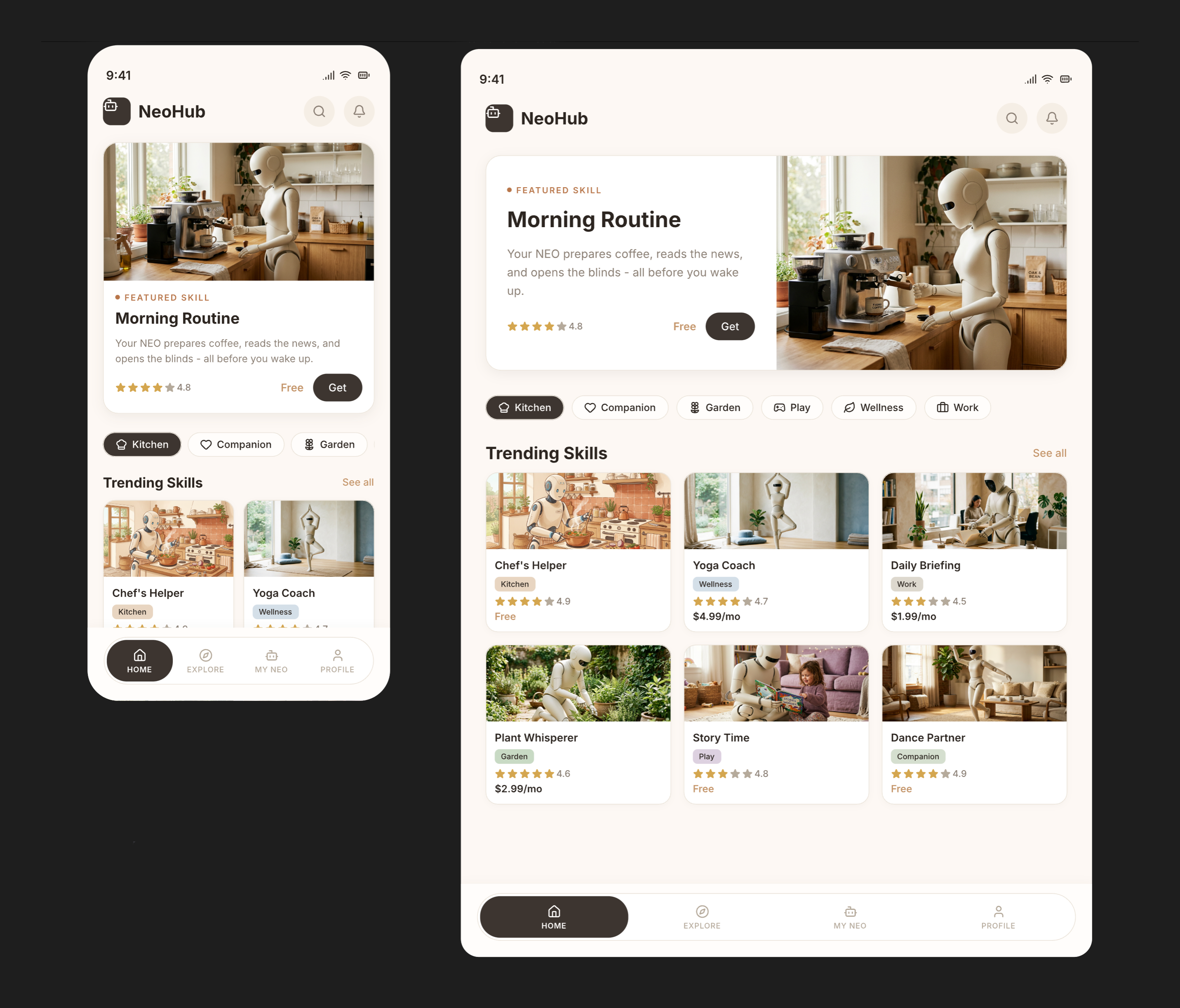
Nobody's Built the App Store for Robots Yet. So I Did. In a Day.
Designing for Impact: Why Green UX Is Just Good UX